5 hr
Kiruna Northern Lights Photo Tour
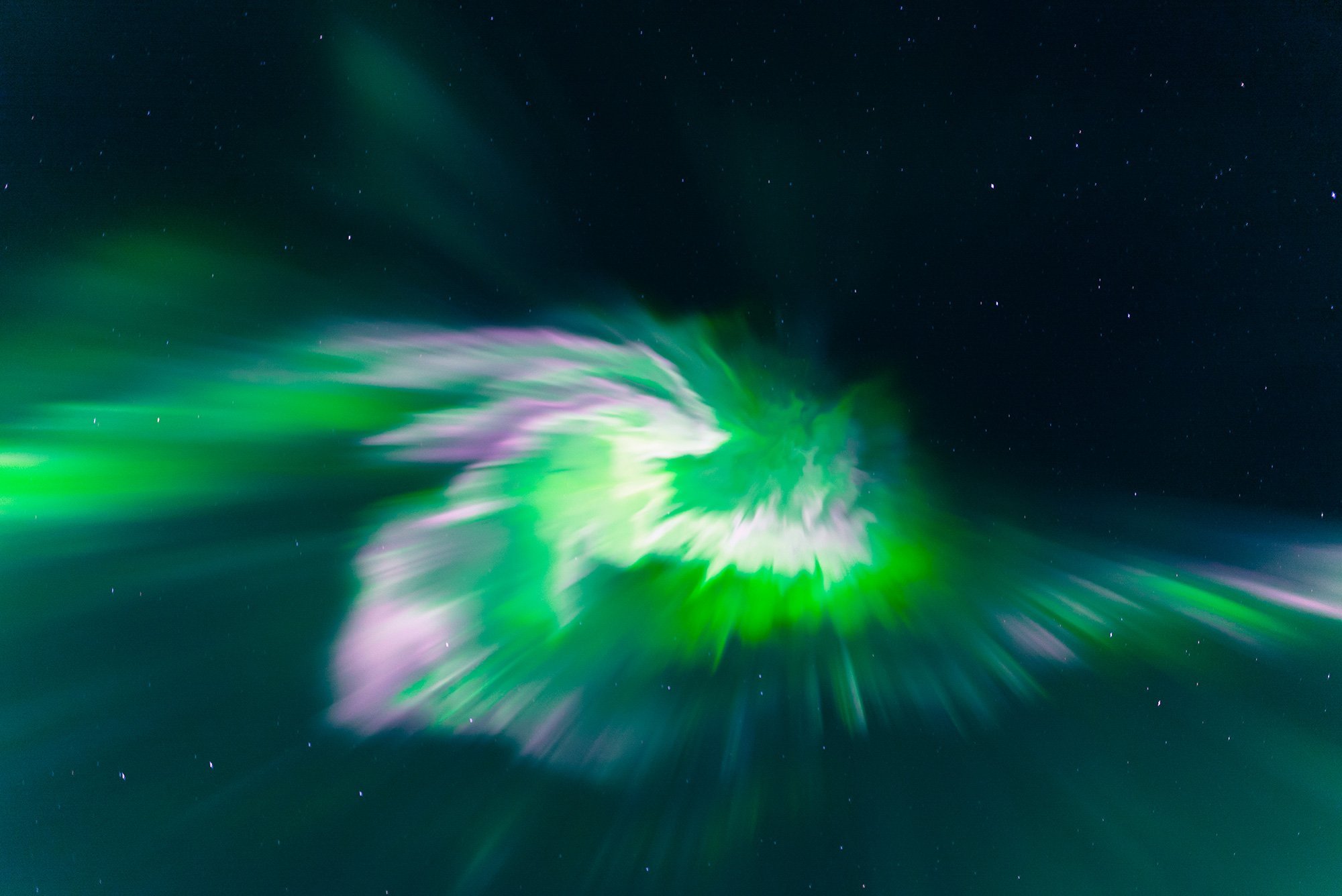
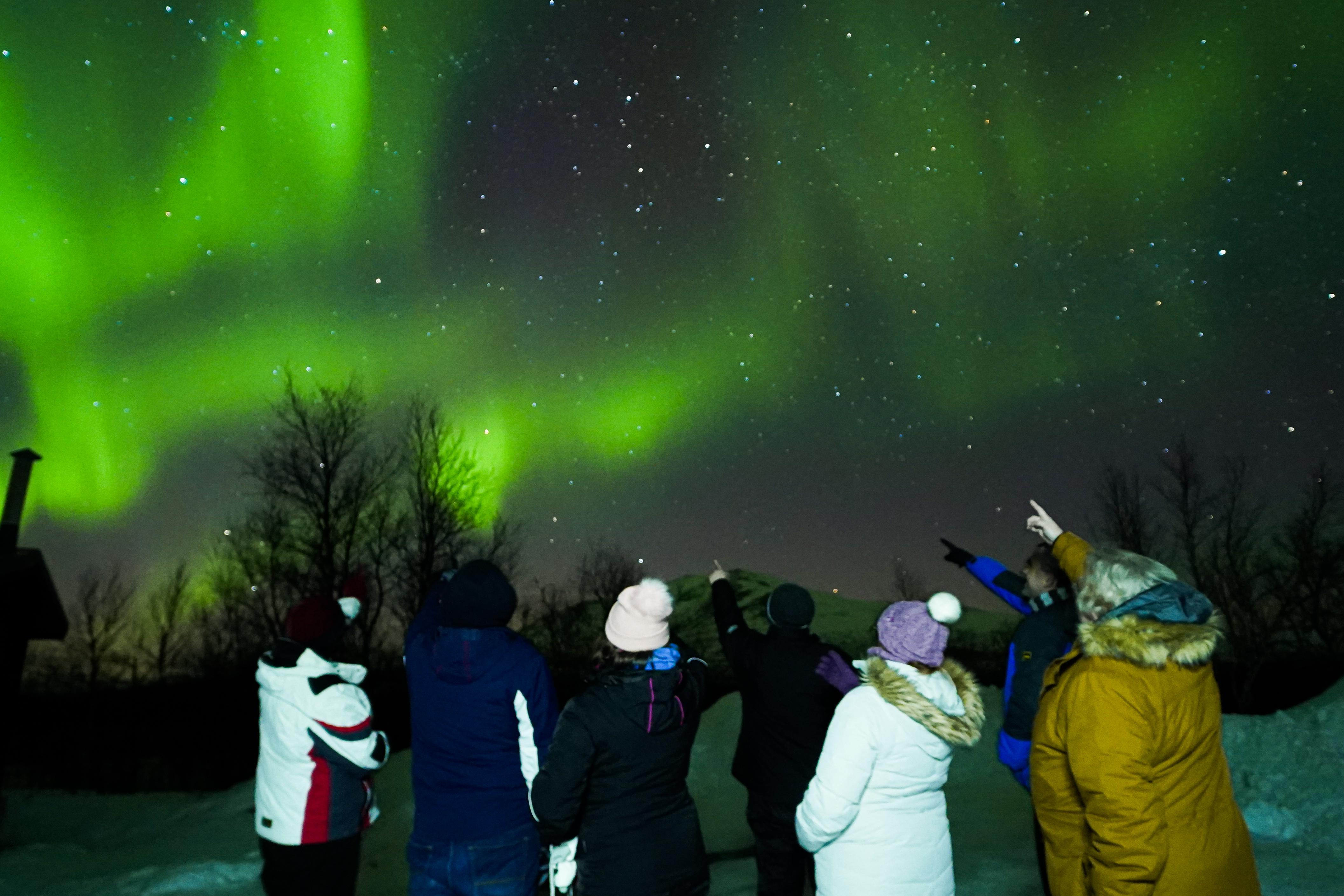
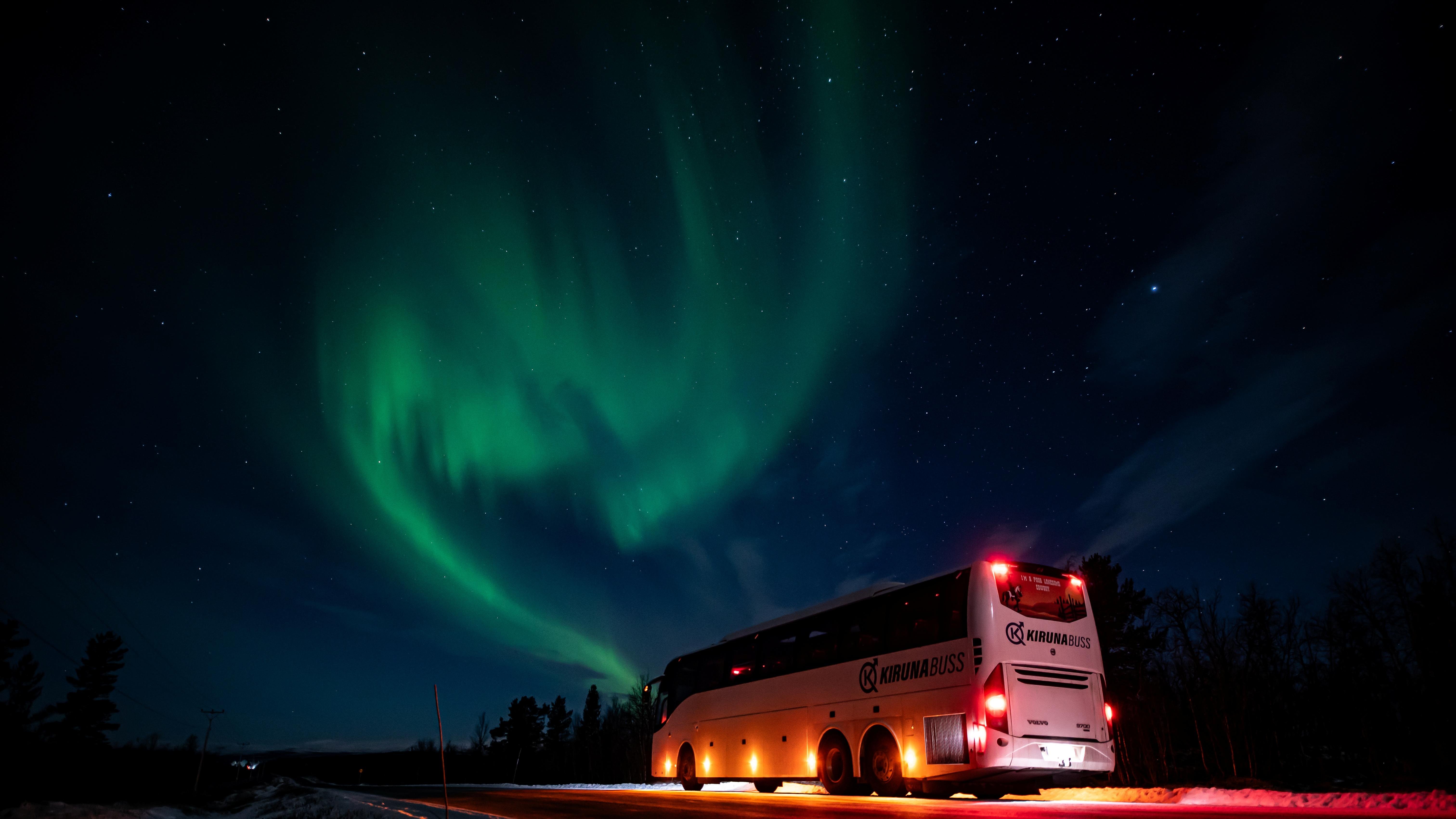
Chase the aurora near Kiruna with a campfire, hot drinks, and a pro photographer capturing it all.
Reserve
Hand-picked by our editors — only the best 5 experiences from 40 reviewed.
Verified partners for every tour, free cancellation where available, and instant confirmation on every booking.
5 hr
Chase the aurora near Kiruna with a campfire, hot drinks, and a pro photographer capturing it all.
Reserve
4 hr 30 min
Small-group night hunt for the aurora borealis in Abisko, with fika and photo tips included.
Reserve
5 hr 30 min
Chase the Aurora Borealis across Arctic Kiruna with a storytelling guide and cozy warm bus.
ReservePrices from verified partners. Availability updates in real time at checkout. Free cancellation policies apply where shown.
The landmarks, rooms, and views travelers on this tour remember — all visible on a single visit.
Kiruna Church was inaugurated in 1912 and built in the form of a Sámi hut, or lavvú. Its relocation took place on 19 and 20 August 2025, and it is temporarily closed until sometime in the first half of 2027. The building is known for having only one cross inside and for the gilded roof sculptures outside.
This central square sits by the city centre transport stops used by buses and transfer services. Kiruna Lappland says it is about 200 metres from the tourist center, making it the most practical urban reference point for evening departures.
Kiruna’s new swimming facility opened on May 10, 2026 and has 14 different pools, a spa zone, and space for 300 guests. The building also reflects Kiruna’s urban transformation and sits in the center of town at Badhusgatan 8.
The authorized tourist center at Malmvägen 9B is the practical starting point for regional tours and local planning. It sits in the centre of Kiruna and is about 6 km from the train station, with parking nearby.
The mine tour description says the show mine reaches the 540-metre level and the visitor facility covers 20,000 square metres. That makes it one of the key industrial-history anchors in Kiruna, especially for travelers interested in the city’s relocation story.
Jukkasjärvi sits 15 km outside Kiruna city center and is one of the oldest villages in Norrbotten. Its history, river setting, and the nearby Icehotel make it a strong daylight complement to an Aurora evening program.
They complement each other, but for a shorter, photo-first night the kiruna northern lights tour with photographer is the simpler choice; the Abisko National Park Northern Lights Tour from Kiruna spends more time on the transfer and the Abisko setting. If you want the most time shooting instead of riding, Kiruna wins.
| Feature | Top pick Kiruna photo tour | Abisko National Park tour |
|---|---|---|
Where the night is centered |
Kiruna area wilderness | Abisko village and park |
Travel time from Kiruna |
Local departures, no long transfer | 1.5 hours each way |
Photo-guide focus |
Dedicated photo guide | Photo guide, less camera-led |
Likelihood of a mobile night |
High; local route changes | High; transfer enables repositioning |
Best fit for first-timers |
Easier, shorter first aurora night | Good if you want Abisko scenery |
Value for a short stay |
More shooting time, less transit | More transit, fewer shooting hours |
| See tickets → |
Verdict: Choose Kiruna for the tighter, photographer-led night; choose Abisko if you want the park setting and do not mind spending part of the evening on the road.
Choose your ticket, select your date, and reserve in under two minutes. Secure checkout handled by our verified partner.
Instant confirmation by email, with a mobile voucher you can save offline. No printing, no queuing at a collection desk.
Arrive at the entrance, show your voucher on your phone, and walk in. Most tickets include priority or skip-the-line access.
Practical details for your visit straight from our verified partners — hours, access, rules, and how to get there.
Dress for Arctic night conditions and expect long periods standing outdoors. The operator’s tour notes recommend season-appropriate clothing, gloves, and a warm hat because you may be outside for 1-3 hours.
This is a guided photo outing rather than a museum, so there is no airport-style security screening. Borrowed camera gear and accessories are handed out by the guide, and you are responsible for keeping them safe.
Photography is the core of the tour, and the guides help guests get pictures even if they are beginners. The operator notes that camera equipment can be borrowed, SD memory cards are not included, and guests may bring their own camera.
The pickup base is in central Kiruna at Tvärgatan 4A, but I could not verify step-free access details on the official site. Because the activity moves to outdoor viewing locations and may involve standing in snow, accessibility is limited by terrain and weather.
The operator’s published photo-tour notes mention children, but camera use is limited to adults on the standard Northern Lights photo tour. If the guide asks, be ready to show a child’s birth certificate, which suggests family verification may be requested on some departures.
No fixed meal is included in the standard Northern Lights photo tour materials I verified. Allergy and food restrictions should be shared at booking, and the operator notes that reindeer skins and dogs are common in the cars and at locations.
The official site emphasizes small-group Arctic experiences with local Sámi guides and remote locations chosen for the best sky conditions. The Northern Lights can never be guaranteed, even when the weather looks promising.
Best time to go, insider tips, nearby landmarks, and the cancellation fine print — flip through to skim what matters to you.
Flexible, no hidden fees.
Cancellation terms are stated on the operator’s web materials, but the booking-page refund window was not visible in the sources I verified. The tour price truth is the live tour grid; the entrance fee is 0 SEK (tour price only).
Kiruna sits at 67.85° north, inside the auroral oval — the ring-shaped band where charged solar particles meet the upper atmosphere most reliably on Earth. That geography, not luck, is why photographers travel here. The town also holds a stranger distinction: since 2014 Kiruna has been moving itself, building by building, three kilometres east, because a century of iron ore extraction beneath LKAB's Kiirunavaara mine has made the old centre unstable. The church, voted Sweden's most beautiful building in 2001, was relocated whole. Aurora photography in Swedish Lapland matured alongside that industrial history. Early observations came from the Kiruna Geophysical Observatory, founded in 1957 during the International Geophysical Year, and from the Swedish Institute of Space Physics, which still tracks geomagnetic activity from a site overlooking the town. Their data — Kp index readings, magnetometer traces, cloud forecasts — is now the working toolkit of every guide running a kiruna northern lights tour with photographer, alongside long-exposure technique and a road map of clear-sky pockets. The operator here works from Tvärgatan 4A, Kiruna, and the geography of its routes reflects a hard local truth: the aurora is constant, the weather is not. West of town lies Abisko National Park, where the Scandinavian mountains cast a rain shadow that produces the so-called blue hole — a persistent gap in cloud cover documented over decades and the reason Abisko draws astrophotographers from across Europe. East, the flat taiga around Torneträsk and the Kalix river valley offers frozen lake foregrounds and no light pollution. Different nights demand different directions. What distinguishes photographer-led kiruna northern lights tour with photographer tours from a general aurora chase is technical: manual focus set to infinity on a cold lens, exposures between four and twenty-five seconds, apertures wide at f/2.8, ISO pushed to 1600 or 3200, a tripod planted in packed snow. Batteries drain fast at minus thirty. Frost forms on front elements within minutes. These are solvable problems, but only with someone present who has solved them before. The subject itself is old. Sami tradition across Sápmi held the lights — guovssahas, the light you can hear — as something to be treated with respect rather than noise. Norse sources read them as reflections from shields. The physics arrived in 1902, when Kristian Birkeland demonstrated that solar particles follow magnetic field lines toward the poles. Admission to the aurora costs nothing: 0 SEK, tour price only. The sky above Kiruna remains, in that narrow sense, free. Booking a kiruna northern lights tour with photographer buys transport, timing, warmth and the technical knowledge to bring something home from it.

"The aurora is constant; the weather is not — which is why the route changes every night."
A step-by-step walkthrough of the visit — what you'll see, how long each stage takes, and the details that matter.
You gather at Tvärgatan 4A between 19:00 and 20:00, the standard evening pickup window, and the first thing handed to you is usually a thermal suit and boots. Coffee follows. Then comes the briefing that decides the night: the guide reads the Kp index, the satellite cloud map and the wind, and names a direction. Some nights that means driving west toward Abisko National Park. Some nights it means holding closer to town. You drive. The van's headlights pick out spruce and snowbanks, and conversation drops as light pollution falls behind. When the vehicle stops, you step onto packed snow and let your eyes adjust for a full ten minutes — no phone screens. Your photographer sets your tripod, dials your lens to manual focus, and calls settings aloud: f/2.8, ISO 1600, fifteen seconds. You press the shutter and wait. The first band often reads grey to the naked eye. On the camera's rear screen it comes back green, and that gap between what you see and what the sensor records is the whole point of a kiruna northern lights tour with photographer. You reframe, adding a frozen lake or a lone pine to the foreground. You swap a battery kept warm inside your jacket. Later there is hot lingonberry juice, or on some departures a fire and grilled food. You return past midnight with raw files, and your guide shows you what to keep.
The operator base is closed every day in the verified hours block, because this is an evening tour product rather than a daytime attraction. The pickup window in the canonical facts is 19:00–20:00, so plan around the tour departure rather than a daytime visit. The address is Tvärgatan 4A, Kiruna. The official site lists the company base there, but the actual evening pickup point can vary by departure. Local buses in Kiruna run year-round, and the Stadshustorget stop is about 200 metres from the tourist center. City buses accept onboard payment, while airport and regional links are handled by local operators and seasonal services. Wear winter layers, gloves, and a warm hat. The tour notes say you may stand outdoors for 1-3 hours, so insulated boots and a windproof shell matter more than city clothing. Yes, the operator says guests may borrow camera equipment or bring their own camera. SD memory cards are not included, and the guide helps people at different skill levels get usable Aurora shots. The standard Northern Lights photo tour notes say cameras are for adults only, and they also mention possible requests to show a child’s birth certificate. For family travel, that makes it better to confirm child-specific rules before departure. The verified materials do not list a meal included on the standard tour. If you have allergies or food restrictions, the operator asks that you mention them at booking, and the cars may contain reindeer skins and dogs. I could verify that the operator has booking and cancellation-policy references on its website, but the exact refund window was not visible in the accessible pages. The canonical price truth is 0 SEK for entrance, with tour pricing handled in the live booking grid. The best season is the dark season, when the operator runs Northern Lights photo tours and can travel away from clouds and light pollution. Their published departure windows run from September 1 to April 15, with later departures after March 25. For a short Kiruna combination day, Kiruna Church, the Kiruna Tourist Center area, and Jukkasjärvi are the most practical add-ons. Kiruna Church was relocated in August 2025 and is temporarily closed, so it is best treated as an exterior photo stop until it reopens.
Please contact us for more information.